Outdoor Sauna Kit UK 2026: Turnkey vs DIY (Deep Dive)
UK outdoor sauna formats compared: turnkey ready-built, flat-pack kits, full DIY. Suppliers, timelines, costs, planning permission for each route.
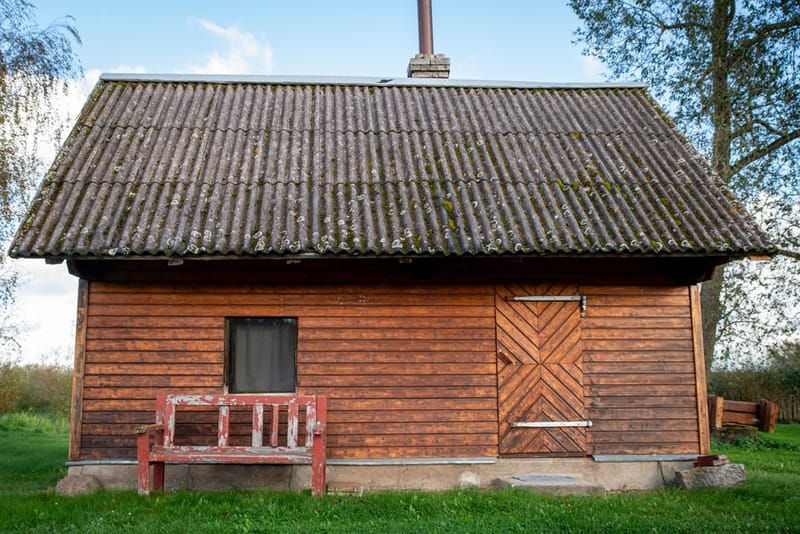
The outdoor sauna market in the UK has matured enough that buyers genuinely have three credible routes to a working garden sauna: hire a turnkey installer who handles everything, buy a flat-pack kit and assemble it yourself, or build from scratch. Each route has a sweet spot - the wrong choice doubles the cost or doubles the headache. This guide covers the cost, timeline, supplier landscape, planning-permission implications, and what's actually included at each level so you can pick the route that fits your budget and DIY appetite.
How do the three outdoor sauna routes actually compare?
| Turnkey Ready-Built (UK Sauna Co, Trade Saunas, bespoke builders) | Flat-Pack Kit (Almost Heaven, Dundalk, Northern Lights, Garden Sauna Co) | Full DIY Build (raw materials + heater) | |
|---|---|---|---|
| What's included | Site survey + foundation + cabin construction + heater install + electrician/chimney + commissioning + 1-year on-site warranty support | All cabin components pre-cut and pre-drilled + heater + assembly hardware + install manual + email support | Nothing pre-fabricated - timber + insulation + cladding + heater + vapour barrier + benches all sourced separately |
| Buyer's effort | Pick the spec + sign off the site survey + be home for installation | Foundation (DIY or local contractor) + 1-3 days assembly with two people + electrician/chimney install if separate | Design + planning permission research + 100+ hours of construction + heater install + electrician/chimney |
| Lead time | 6-10 weeks from order to working sauna | 2-12 weeks depending on supplier (UK-made: 2-4 weeks; imports: 6-12 weeks) | Limited by your weekends - typically 6-12 weeks elapsed time |
| Build duration on site | 1 day for prefab cabin delivery + 2-4 days for site-built custom | 1-3 days for assembly + 1 day for foundation + 1 day for electrician/chimney | 4-8 weekends of dedicated work |
| Typical UK price range | £8,000-£18,000 all-in | £3,500-£10,000 kit + £700-£2,000 install costs | £2,000-£6,000 materials + electrician costs (no install labour cost) |
| Best for | Buyers prioritising convenience, with budget headroom, who want white-glove install | Most UK buyers - best balance of cost and quality | Skilled woodworkers with workshop access, who want bespoke design and accept the time investment |
Who are the leading UK turnkey sauna builders?
The UK turnkey market is still relatively small compared to Finland or Canada but has grown meaningfully in the past 5 years. The credible suppliers in 2026:
UK Sauna Co - Bristol-based, focused on custom cedar barrel and cabin builds for the £10,000-£18,000 tier. Site surveys included, Building Regs liaison included, 2-year structural warranty. Lead times are 8-12 weeks during the spring-summer demand peak.
Trade Saunas - Yorkshire-based supplier and installer of Harvia heaters with both flat-pack and turnkey routes. Their turnkey service is typically £8,000-£14,000 for a 4-person cabin and they handle electrical work via a Part P-registered subcontractor network.
Bespoke timber-frame builders - regional carpenter-builders typically charge £10,000-£20,000 for a custom-designed cabin sauna and quality varies more than from established suppliers. The advantage is true bespoke design (matching existing garden architecture, unusual sizes, integrated cold-plunge tubs). Vet builders carefully and ask for three references with completed similar projects.
The honest framing: UK turnkey costs 50-80% more than the flat-pack equivalent for the same end result. Buyers paying the premium are buying convenience, single-supplier accountability, and elimination of project-management risk.
What does the flat-pack route actually look like step by step?
The flat-pack route is the most common UK choice and is well within reach of any homeowner who can assemble flatpack furniture and follow instructions. The realistic timeline:
Pre-order (1-2 weeks): Site selection in the garden, foundation type decision (compacted gravel pad sufficient for most kits; concrete pad for larger 6-person cabins), planning permission check (most installs are permitted development - see our planning guide), electrician quote if going electric or chimney quote if going wood-fired.
Ordering and waiting (2-12 weeks): Place the order; UK-made kits (Garden Sauna Co) arrive in 2-4 weeks, transatlantic cedar imports (Almost Heaven, Dundalk) typically 6-12 weeks with import paperwork. Use the wait to lay the foundation (DIY gravel pad: 1 weekend, £150-£300 materials; or hire local contractor for concrete pad: £600-£1,200).
Delivery day: Kerbside delivery is standard - the kit arrives on a pallet weighing 500-1,200kg depending on size. You'll need two people minimum to move components from kerb to assembly site. Some suppliers offer optional white-glove garden placement for £150-£400.
Assembly weekend (1-3 days): Two people, basic hand tools, the supplier's manual. A typical 4-person barrel sauna assembles in 6-10 hours of work spread across a weekend. Smaller cabins go faster; larger 6-person cabins may need a second weekend.
Electrical or chimney install (1 day): Schedule after assembly is complete. Part P-registered electrician for 32A circuit (£700-£1,500) or HETAS chimney specialist for wood-fired (£200-£400 plus Building Regs sign-off).
When does the full DIY route actually make sense?
Full DIY makes sense only when three conditions all apply: you have credible woodworking skill (or are willing to learn), you have access to a workshop with a table saw and basic joinery tools, and the project is itself the reward.
Materials list (approximate): Pressure-treated structural timber (£300-£500), tongue-and-groove cedar or thermo-spruce cladding (£800-£1,400), aluminium foil vapour barrier (£150-£200), rockwool insulation (£200-£300), bench timber and back support (£200-£300), tempered glass door (£250-£500), Harvia heater + stones (£600-£1,200), electrical cable and consumer-unit accessories (£100-£200), roof shingles or steel (£200-£400). Total: £2,800-£5,000 materials.
Time investment: Realistically 100-150 hours of focused work spread across 6-12 weekends. Foundation work first (1 weekend), structural frame (1-2 weekends), wall and roof cladding (2-3 weekends), insulation and vapour barrier (1 weekend), interior cladding (1-2 weekends), benches and door (1 weekend), heater install (1 weekend), electrical work (specialist - 1 day).
When DIY is genuinely the right call: if you enjoy the building process for its own sake, have unusual site constraints that prevent a flat-pack kit from fitting, want full design control (multi-room saunas, integrated shower areas, custom benches), or have the workshop and skills to amortise the time into a hobby rather than a chore.
When DIY is the wrong call: if you're saving money as the only motivation. A £4,000 flat-pack assembled in a weekend captures 90% of the result for far less total cost when your time is valued at minimum wage. The DIY route's value lies in the build experience, not the saving.
What about planning permission across the three routes?
Planning permission requirements are identical for all three routes - it's the structure that matters, not the route to building it. For most UK gardens, outdoor saunas under 2.5m tall and covering less than 50% of garden area at minimum 2m from boundaries are permitted development. The detail in our planning permission guide applies regardless of whether the cabin came from UK Sauna Co, a flat-pack kit, or a DIY build.
One subtlety for DIY builds: the design freedom of DIY means you can accidentally exceed permitted-development limits (taller than 2.5m, larger than 50% garden coverage, closer than 2m to a boundary). A 30-minute pre-build check against your local planning portal saves a potentially £5,000 retrospective application or a forced rebuild. Flat-pack and turnkey suppliers' standard designs typically sit comfortably within permitted-development limits because that's what the market demands.
Building Regulations apply equally - Approved Document P for electric installs (Part P-registered electrician) and Approved Document J for wood-fired chimneys are non-negotiable regardless of build route. Cutting corners on these invalidates home insurance if anything happens.
Which outdoor sauna route should you actually choose?
Budget ≥£10,000 + no DIY appetite → Turnkey (UK Sauna Co, Trade Saunas)
If your time is more valuable than the cost saving, turnkey is the right choice. Single supplier accountability, single-day site install, white-glove warranty - the premium is genuine convenience. UK Sauna Co for premium cedar custom builds; Trade Saunas for solid mid-range; bespoke timber-frame builders for unusual designs.
Budget £4,000-£8,000 + willing to spend a weekend assembling → Flat-pack (the volume choice)
The flat-pack route is the right pick for the largest segment of UK buyers. Almost Heaven Salem Pinnacle for premium 6-person cedar (£9,500), Dundalk Knotty Cedar for premium 4-person (£7,000), Northern Lights Tranquillity for mid-tier thermo-spruce (£5,000), Garden Sauna Co UK for entry-level UK-made (£3,500). See our barrel sauna guide for detailed picks. Foundation + assembly + electrician = 3-4 weekends of elapsed time.
Confident woodworker + workshop + 100+ hours available → Full DIY
Buy the heater (Harvia M3 £600-£900) and source timber locally. Use a published Finnish design (the standard plans are widely available online and in books) and don't deviate from proven proportions for your first build. Get the electrical work done by a Part P-registered electrician regardless - this is not the area to cut corners.
Hybrid: turnkey foundation + flat-pack cabin
A useful middle route is to hire a local contractor for the foundation (concrete pad: £600-£1,200) and then buy a flat-pack kit for the cabin itself. This skips the most physically demanding part of DIY (groundworks) while keeping the cost advantage of self-assembled cabin construction. Many UK buyers end up here in practice.
Always use Part P-registered electrician for electrical work
Regardless of route. Hard-wired 32A sauna circuits must be installed by a Part P-registered electrician under UK Building Regulations. The work is notifiable to your local authority Building Control. Cheaper non-Part-P quotes invalidate your home insurance if anything happens.
Frequently asked questions
How much do I save with the flat-pack route versus turnkey?
Can I get a UK-made flat-pack to avoid import lead times?
What's the realistic timeline from order to working sauna?
Do I need building regulations approval for any outdoor sauna route?
Which route gives the highest resale value for the house?
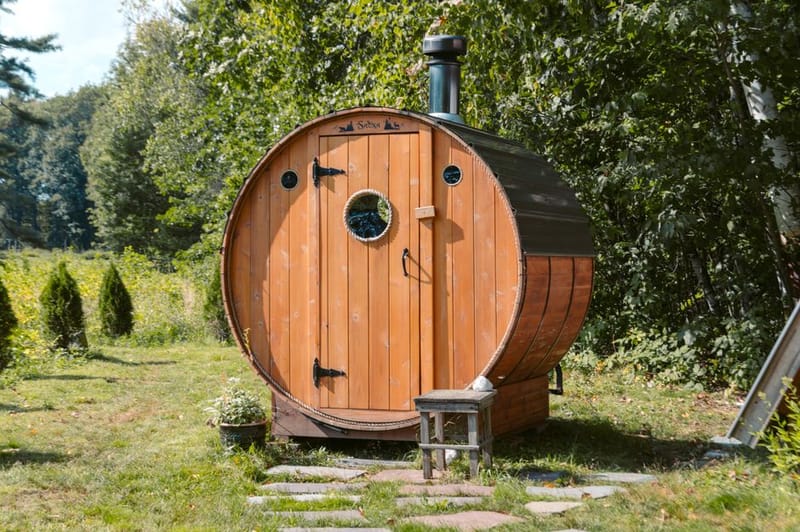
Best Barrel Sauna UK 2026
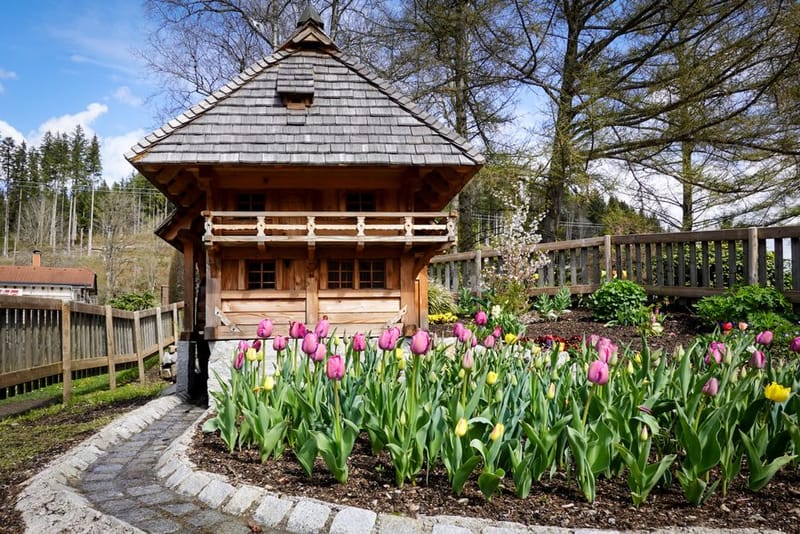
Planning Permission for a Garden Sauna UK
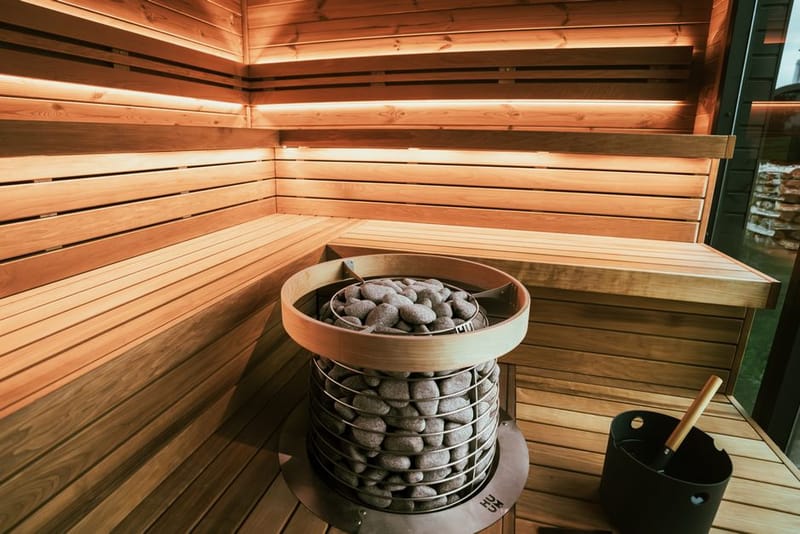
Wood-Fired vs Electric Sauna Heater
Home Sauna Buying Guide UK 2026
Want specific picks across the routes?
The barrel sauna guide covers our four picks across all three build routes.