Wild Saunas in Scotland: 2026 Venue Guide
Wild and beach sauna venues across Scotland in 2026: Highland operators, Edinburgh/Glasgow weekend options, west-coast lochs, east-coast beaches.
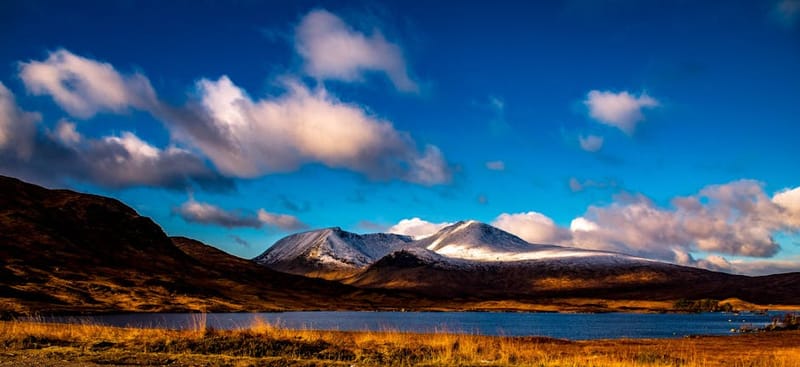
Scotland's wild-sauna scene has gone from a handful of pioneers in 2022 to a country-wide network in 2026. The growth tracks two things at once: a Nordic-influenced cultural pull (Scots crossing the North Sea to Finland came back wanting the same thing at home), and the practical reality that Scotland has more cold-water access per square mile than any other UK nation. This guide covers operators worth seeking out across the four main clusters - Highlands, west coast, Edinburgh-and-east, and Aberdeen-and-Cairngorms - and is honest about where the scene is still thin.
Why Scotland?
Two structural factors put Scotland ahead of England and Wales for the wild-sauna experience. First, water temperature. Scottish sea, loch, and river water sits noticeably colder than even northern England's coastal water year-round - a typical west-coast loch reads 5-9°C in winter and rarely exceeds 14°C even in August. That makes the contrast with the 80-95°C sauna interior more pronounced, which is the entire physiological point of the practice.
Second, operator clustering. Most Scottish operators are small wood-fired mobile units (horse-box trailers, custom timber-clad boxes, retrofitted vintage caravans) that can pitch up by a loch or beach for 60-90 minute sessions. The mobile model fits Scotland's geography - sparse population, abundant cold-water shoreline, fewer planning restrictions on temporary structures than fixed builds in English national parks.
If you're new to outdoor sauna culture, our how-to-sauna guide covers the rhythm (typically 3-4 rounds of sauna + cold dip + rest); for an honest read on what the practice does and doesn't deliver, see our evidence summary.
Which Highlands and west-coast wild saunas matter?
The Highlands are where the practice feels most native to the landscape. Mobile operators set up along Loch Lomond, the lochs around Aviemore in the Cairngorms, and pockets of the west coast around Skye and Lochcarron. Sessions tend to be longer-format (90 minutes vs the 60-minute beach norm), pricing creeps up to £35-£45, and pre-booking is essential outside the summer tourist window.
Loch Lomond area - multiple operators pitch up around the southern shore (Balloch, Luss) and the eastern shore at Rowardennan. Reliable cold dips year-round; busy weekends in spring/summer.
Aviemore and the Cairngorms - strongest cluster for winter sauna sessions. Pairs naturally with snow-rolling and frozen-loch dips in January-February. Operators here are mostly multi-day-stay friendly (linked to hostels and lodges).
Isle of Skye - small but growing. Limited weather windows in winter (high winds make outdoor sauna sessions uncomfortable), so the scene is more reliable May to September.
Lochcarron and the north-west coast - quietest of the Highland clusters. Operators here trade volume for setting; expect to be the only group on the loch on a midweek afternoon outside July-August.
What's the Edinburgh and east-coast cluster like?
The east coast around Edinburgh is the densest cluster by venue count, even if the Highland setting is more dramatic. Portobello Beach, just east of central Edinburgh, hosts the longest-running urban-accessible wild-sauna operators in Scotland, and the East Lothian coast (North Berwick, Yellowcraig, Tyninghame) has picked up its own small cluster of weekend pop-ups.
Portobello Beach - the gateway venue for Edinburgh residents and weekend visitors. Multiple operators rotate through; weekend sessions book out 2-4 weeks ahead in winter. Reachable by bus from central Edinburgh in 25 minutes.
North Berwick + East Lothian - operators pitch up at Yellowcraig, Tyninghame, and the wider East Lothian coast. Cold North Sea dips year-round; bigger swell than Portobello so dip windows are tide-and-weather dependent.
St Andrews + Fife coast - emerging cluster. East Sands and the North Sea around the Fife coast are colder than Portobello and have a quieter feel. Smaller operator base; check social media before travelling.
Glasgow proximity - Glasgow has no dedicated urban beach equivalent to Portobello, but Loch Lomond is 45 minutes by car or train and several operators specifically court Glasgow weekend traffic.
Which wild saunas operate in Aberdeen and the north-east?
The Aberdeen-and-north-east cluster is the smallest of the four but growing fastest. Operators on the Aberdeenshire coast (Stonehaven, Cruden Bay, Banff) and around the north-east edge of the Cairngorms (Ballater, Braemar) are reliable in 2026 even if the operator names rotate year to year. Pricing tends to be slightly lower than the Highland average (£25-£35 for 60-75 minute sessions).
The north coast proper (Sutherland, Caithness) has occasional pop-ups but no established year-round cluster yet. Worth checking via operator social media if you're already up there for a North Coast 500 trip.
Which kind of Scottish sauna suits you: beach, mobile or city?
The sections above sort Scotland by where you are going. This one sorts it by what you are actually booking, which matters more than it sounds: across the 14 Scottish venues in our directory the heat is broadly similar and the cold water is not. A tidal pool, a harbour dip, a sea loch and an indoor plunge are four quite different experiences.
Beach and seaside saunas (6 of 14) - the largest group and the classic Scottish version, a cabin on the sand with a sea dip. Seabiscuit at Aberdeen and Driftwood at Stonehaven cover the north-east; St Andrews, Elie and Cellardyke run the Fife stretch, with Cellardyke dipping into a restored tidal pool beside the cabin rather than open sea; Soul Water is the one inside Edinburgh itself, on the Firth of Forth.
Mobile operators (3 of 14) - Highland Mobile Sauna, Scottish Saunas and Wild Scottish Sauna move wood-fired cabins around the coast and the Highlands by season. They are how you get a wild sauna somewhere the fixed venues do not reach, but the location is the thing to check rather than assume before you travel.
City saunas with a plunge (3 of 14) - Bothan, Glasgow Community Sauna and The Wild Heat are all in Glasgow and all use a cold plunge rather than open water. The trade-off is honest: no sea view, but a dip that does not depend on the tide or the swell. Glasgow Community Sauna lists sessions from GBP 12.
Loch and one-off settings (2 of 14) - Wild Bathing at Oban is the sea-loch option on the west coast. Spear Sauna at Lost Shore near Edinburgh is the outlier of the whole list, attached to an inland surf resort with two waterfall buckets standing in for a natural dip.
How do you find a Scottish wild-sauna operator near you?
Search Instagram by region first
Most Scottish wild-sauna operators are 1-2 person small businesses that announce locations and availability primarily through Instagram. Search '#scottishsauna' or '#wildsaunascotland' alongside the region name (e.g. 'sauna Loch Lomond', 'sauna East Lothian'). Operator websites are often a single landing page - social is where you find the live booking link.
Check the venue calendar before travelling
Mobile operators rotate pitches week to week. The location that hosted sessions last weekend may not host this weekend. Confirm the specific date + venue before committing travel - especially for Highland trips where the round-trip drive is the largest cost.
Book 2-4 weeks ahead for peak season
November to February is peak demand. Operators run 4-6 sessions a day with capacity for 4-8 guests per session; weekend slots routinely fill 3-4 weeks in advance. Midweek availability is generally accessible 1 week ahead.
Pair with a hostel or lodge for a multi-day trip
Highland operators in particular pair well with 2-3 night hostel or lodge stays - the longer trip lets you book two or three sauna sessions and recover properly. The cold-water dip recovery is meaningful enough that back-to-back days work best for visitors driving from urban Scotland.
Check the cold-water access before booking
Some Scottish venues advertise wild sauna but the 'cold dip' is a portable plunge tub of cooled water rather than direct loch / sea access. Both are valid practices but the experience is different. If natural cold-water access is what you came for, confirm it's in the session before booking.
Frequently asked questions
Where are wild saunas in Scotland?
How cold is loch or sea water in Scotland?
When is the best time of year for a wild sauna in Scotland?
Do I need to book in advance?
What should I bring?
Wild Sauna UK: The Complete 2026 Guide
Beach Saunas UK 2026
How to Sauna (the actual practice)
Sauna Health Benefits Evidence
Best Wild Saunas in the UK by Region
Cumbria and the Lake District
North East