Wild Sauna UK: 200+ Venues, Prices & How to Book (2026)
The UK's wild sauna scene mapped: 200+ beach, lakeside and forest venues, typical prices, booking tips and cold-dip safety for 2026.
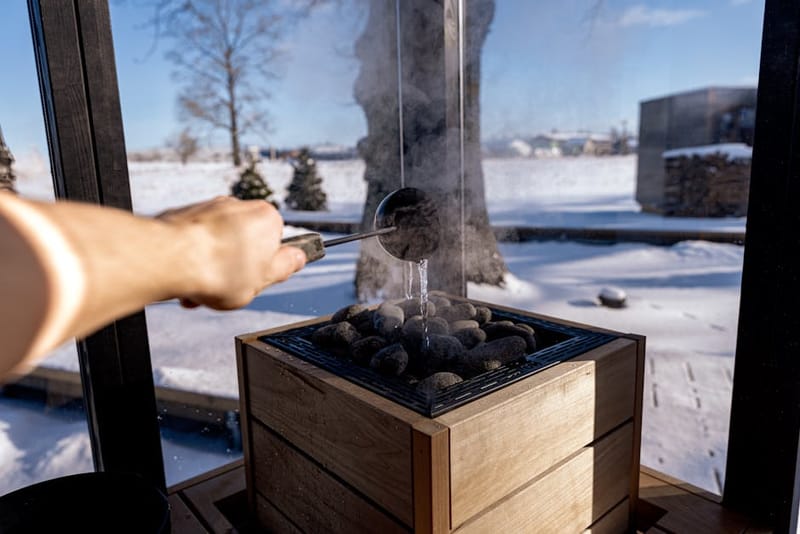
A wild sauna is a wood-fired or electric sauna sited outdoors next to natural water - a beach, a lake, a river - that you book a session at the way you would a yoga class. In the past three years the UK has gone from a handful of these venues to over 200, scattered from Cornwall to the Hebrides. This guide walks through what wild sauna actually means in a UK context, what to expect on your first session, how to do the cold-water dip safely, and where to find a venue near you.
If you are thinking about installing a sauna at home rather than visiting one, our companion home sauna guides are the better starting point. This pillar is about the venue side.
1. What does 'wild sauna' actually mean in the UK?
The term has settled in British usage to mean any outdoor, mobile or semi-permanent sauna installation sited near natural water, almost always operated as a paid session rather than as private property. The construction is usually one of three shapes:
- Converted horse box or trailer - the dominant form. SaunaTao's 2025 trend coverage notes that most wild saunas are "often crafted from repurposed mobile horse boxes", which solves planning permission, transport, and aesthetics in one move.
- Static cabin on the foreshore - semi-permanent wooden structures sited under licence from the local authority or a landowner. More common at established lakeside operations than at beaches, where storm tide tolerances rule.
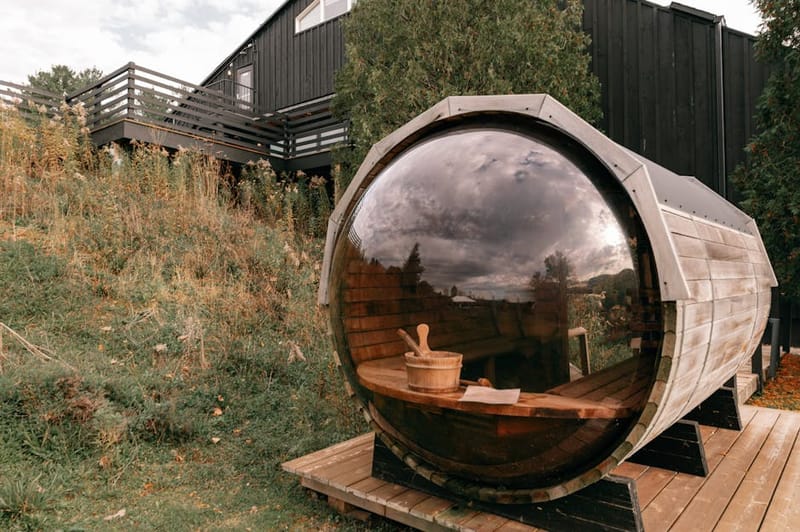
- Wood-fired barrel sauna - the smaller, cylindrical Nordic-style design, occasionally with a glazed end facing the water. Common at private-hire operations and small group venues.
Almost all UK wild saunas are wood-fired rather than electric, which matters more than it sounds - it sets the atmosphere (smoke from the chimney, the smell of pine), the price (logs are not cheap), and the heat profile (wood-fired runs hotter and drier than typical home-electric installations). A few of the newer urban venues - Arc in Canary Wharf being the standout - run on commercial electric heaters that allow much larger groups and Aufguss ritual programming, but the wild-sauna mainstream is wood.
What separates a wild sauna from a spa sauna is access to the water. Every venue in the category is positioned so the heat-cold cycle is the whole point: out of the sauna, across the pebbles, into the sea or the lake, back to the sauna. You are buying the contrast.
2. How big the UK wild-sauna scene actually is
The growth in the past two years is the structural story of the category. Industry tracking through 2025 indicates the UK public sauna count rose from 45 in January 2023 to 147 in January 2025 - a roughly threefold increase - and by May 2025 there were approximately 213 wild or pop-up saunas across the UK, roughly double the 104 counted the previous May. (SaunaPodCo industry coverage)
That growth is uneven by region. The densest clusters as of mid-2025:
- Scotland - particularly east-coast and Fife, where the post-Covid sauna boom started; mobile operators on St Andrews, Stonehaven, the Black Isle and the Outer Hebrides.
- South Wales and Anglesey - Sawna Bach on Llyn Padarn and Porth Tyn Tywyn is the best-known operator; smaller mobile units along the Pembrokeshire and Gower coasts.
- South-West England - Cornwall (Ocean Soul Sauna at Bude), Dorset (Shoreline Sauna at Lyme Regis), Devon and into Somerset.
- The Lake District and Cumbria - La'al Sauna near Coniston bills itself as the first outdoor wood-fired sauna in the region; several follow-on operators on Windermere and Ullswater.
- London and the South-East - newer, often more commercial. Arc (Canary Wharf) opened in early 2025 as the UK's largest sauna at the time; smaller installations on the Thames riverside and the Brighton/Worthing seafront.
The British Sauna Society, founded in 2014, is the UK's not-for-profit body for the category. Its annual Sauna Summit is the practitioner-side event; its 2026 Brighton Sauna Festival is expected to gather 20+ mobile saunas on a single shoreline weekend, which gives a useful sense of the operating density on the south coast.
None of this scale is matched by the institutional infrastructure around it. There is no UK-wide licensing scheme, no standardised safety rating, no required first-aid certification. The category has grown faster than the regulation around it, which means quality varies and you check operator reviews carefully (see Section 6).
3. What actually happens during a session
Most UK wild-sauna sessions run 60–90 minutes and follow roughly the same shape, with operator-specific variation. The arc of a session:
- Brief and changing - 5–10 minutes. The operator will explain the heat protocol, the cold-water protocol, the venue rules (no glass on the foreshore, no alcohol during, what to do with valuables). You change in a small hut or van; bring everything ready to wear.
- First heat round - 8–15 minutes. Wood-fired saunas typically run 80–95°C with relatively low humidity. The first round is the gentlest - the body has not yet acclimatised. Sit on the lower bench if it's your first time. Hydrate before, not in the sauna itself.
- First cold dip - 30 seconds to 3 minutes depending on water temperature, your experience, and your tolerance. UK coastal water sits roughly 7–14°C year-round (Met Office data), well below the 15°C cold-water-shock threshold all winter and most of spring/autumn. Walk in, do not jump. Detail in Section 4.
- Second and third heat rounds - typically longer than the first as you acclimatise. Many operators introduce Aufguss-style steam (water on the stones, towel-fanned circulation) on the second round.
- Cool-down and tea - five to ten minutes at the end, dressed and seated, with the kettle on. The post-sauna nervous-system response is the part most newcomers underestimate; do not drive immediately.
The total caloric and cardiovascular load is similar to a moderate cardio session - the heart rate during a hot round can reach 100–140 bpm depending on the temperature and how long you stay in, which is a meaningful workout for some buyers and a reason for the cardiovascular contraindications below.
4. Cold-water dipping - the safety bit
This is the section that most consumer wild-sauna writing skips, and the section that matters most. The cold-water portion of a wild-sauna session is the single most dangerous part of the experience, even for strong swimmers, and the UK's official water-safety bodies are clear about why.
The Met Office's 2025 cold-water-shock guide defines the hazard precisely: cold-water shock is triggered by sudden immersion in water below 15°C, and the initial response includes involuntary gasping that can cause water inhalation if the head is submerged. Initial effects last around 90 seconds. The Met Office is explicit that "even strong swimmers can be overwhelmed by cold water shock" - swimming ability is not a protective factor against the reflex itself.
The RNLI's standard advice for unintentional cold-water immersion is to float on your back for 60–90 seconds, head clear, until breathing returns under control. That advice translates directly to the wild-sauna cold dip - the safe protocol is:
- Walk in, do not jump or dive. The shock response is triggered by the head and torso hitting the water simultaneously; entering gradually feet-first and keeping the head clear lets the reflex pass while you are still in control of your breathing.
- Stay where you can stand. Almost every UK wild-sauna venue is sited on a beach or shore where the first 3–5 metres of water is shallower than chest-deep. Use that. "Wild swimming" is a separate activity with its own training and gear.
- 30 seconds is plenty for a first dip. The contrast benefit is overwhelmingly in the first 30 seconds of exposure. Operators who tell beginners to stay in for several minutes on session one are not following the safety guidance.
- Do not dip if you have heart disease, uncontrolled high blood pressure, or have had a stroke. Cold-water immersion triggers a sharp blood-pressure spike and can cause cardiac events. If you are unsure, get GP clearance before booking.
- Do not dip if you have been drinking. Alcohol blunts the cold-shock response and dramatically increases the drowning risk. Most reputable operators refuse service.
- Do not dip alone, and never out of sight of the operator or another bather.
The structure of a wild-sauna venue mitigates most of this - the water is shallow, the staff is right there, the dip is 30 seconds. But the same physics applies: water below 15°C will trigger the gasp reflex whether you are at a yoga retreat or in a rip current. Treat the cold component with respect, especially in winter (UK sea temperature in February sits roughly 7–9°C) and the first time you visit a new venue.
5. What the evidence actually says about benefits
Sauna culture is awash with health claims, most of them either over-reaching or under-evidenced. The published clinical evidence is narrower than the marketing implies - but the part that is evidenced is unusually robust for a wellness category, and almost all of it comes from a single Finnish cohort.
The Kuopio Ischaemic Heart Disease (KIHD) study is the body of work that underpins essentially every credible claim about sauna and cardiovascular health. The most relevant publication, a 2018 paper in BMC Medicine, tracked 1,688 Finnish adults (867 women, 821 men) over a median 15-year follow-up. The headline finding:
- Compared with one sauna session per week, four to seven sessions per week was associated with a 70% lower fatal-cardiovascular-disease risk (hazard ratio 0.30, 95% confidence interval 0.14–0.64).
- The relationship was linear with no threshold effect - more sessions per week, more risk reduction across the dose range studied.
- Adding sauna frequency to a standard CVD-mortality risk model improved its predictive performance over conventional risk factors alone.
What this evidence does and does not say is important. It does say that frequent sauna use is associated with substantially lower CVD mortality in a long-followed Finnish cohort. It does not say that the relationship is causal - a randomised controlled trial of "go to sauna four times a week for 20 years" is not practicable, and observational data carries the usual residual confounding (sauna-regulars may be less stressed, more socially connected, or healthier in baseline ways the model could not fully adjust for). It also does not generalise without caveat to UK wild-sauna sessions - the KIHD participants used home electric saunas multiple times per week, not 60-minute weekend sessions at a coastal venue.
Beyond cardiovascular outcomes, the wider sauna-benefit literature points to lowered all-cause mortality, reduced inflammatory markers, modest blood-pressure effects, and improved subjective sleep. Most of these findings come from the same KIHD cohort or from smaller Finnish randomised studies. The British Sauna Society highlights more recent 2026 research on shared sauna rituals and social connectedness, which is consistent with the idea that some of the wellbeing benefit comes from the group experience as much as the heat exposure.
For someone deciding whether to book a wild-sauna session, the honest read is: there is good evidence that frequent sauna use is associated with better cardiovascular outcomes in the population that has been studied; the experience is broadly safe for healthy adults; the contrast component has its own evidence base and its own real risks; and most of the wellbeing return at a UK wild sauna will be the combination of heat exposure, cold exposure, the outdoor setting, and the small group of strangers becoming temporarily friendly, in some hard-to-attribute proportion.
6. Picking a venue
UK wild-sauna venues vary considerably in quality, ritual standards, safety provision, and how welcoming they are to first-timers. A short checklist when you are choosing:
- Recent reviews on Google or Instagram. Most operators are small businesses run by one or two people; the operator's responsiveness, cleanliness and safety practices show up in reviews fast. Look for reviews from the last 6 months.
- Explicit safety information on the website or booking page. Operators who write something about cold-water-shock awareness, who exclude alcohol, who say anything about cardiac contraindications, are doing the job.
- First-aid trained staff. Not universal. Ask if you are unsure.
- Heat profile. "Wood-fired sauna" can range from a gentle 70°C to a 110°C inferno. Beginner-friendly venues run cooler and let you self-regulate.
- Mixed or single-sex sessions. Some venues offer both - pick what is comfortable.
- Capacity. Smaller groups (4–8) are more sociable for first-timers; 12+ feels more like a public sauna.
- Changing facilities. Some venues are essentially a hut and a beach - towels, robes and waterproof bag are on you.
Established operators we have signposted to from this guide include Shoreline Sauna (Lyme Regis), Sawna Bach (Anglesey + Llyn Padarn), La'al Sauna (Cumbria), and Ocean Soul Sauna (Bude). Detailed regional guides - sorted by location and budget - are being added to the Wild Sauna Venues section of the site over the course of 2026.
7. What it costs
Pricing has settled into a fairly consistent range across the UK in 2026:
- Communal session, 60–90 minutes: £18–£30 per person. The mainstream operator price.
- Private hire of the whole sauna: £90–£180 per session for groups of 4–8 depending on operator and time of day.
- Monthly memberships: £60–£120 per month at the larger urban operators (Arc, FIX MCR, Wyld), typically offering several sessions per week.
- Single visit packages bundling food / massage / breathwork: £35–£75 per person, often weekend-only.
Compared with continental Europe and Finland the UK prices sit on the higher end - partly the small-operator economics, partly the venue overhead (transport, mooring, licence costs). It is also the case that the value of a wild-sauna session is in the contrast and the setting rather than in the sauna time alone, so directly comparing per-minute heat exposure to a high-street gym sauna is the wrong lens.
8. What to bring to your first session
A short kit list:
- Swimsuit - most UK venues require it for both sauna and water (this differs from Finnish nude-bathing convention).
- Two towels - one to sit on inside the sauna (most operators require it), one to dry off afterwards.
- Flip-flops or sandals - for the gravelly walk between sauna and water.
- A robe or warm change of clothes - the cool-down phase is when you feel coldest, especially in winter.
- Water - drink before and after, not during the heat rounds.
- A waterproof bag - for the wet kit on the way home.
Specifically not on the list: alcohol (incompatible with safe cold-water immersion), heavy meal in the 90 minutes before (the heat-and-cold contrast plays havoc with digestion), or any valuables. Most wild-sauna venues do not have lockers.
All UK wild-sauna regional guides
The UK wild-sauna scene differs sharply by region. The regional guides below cover the operators, typical session formats and seasonality for each cluster. Use them to pick a trip by where you can plausibly drive on a weekend.
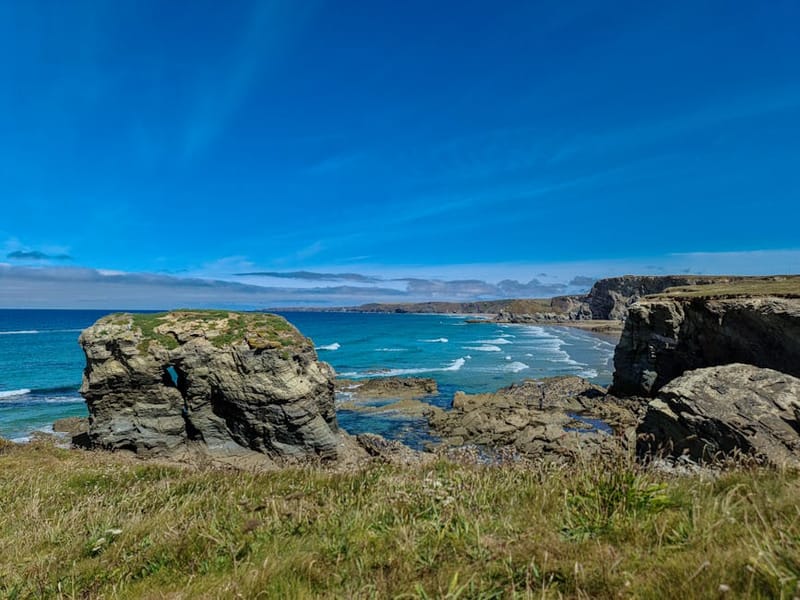
Cornwall and Devon
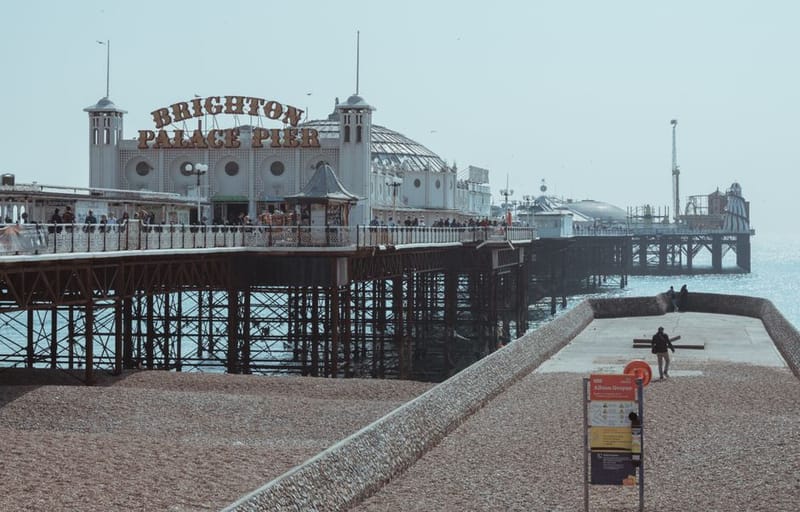
South East: Kent, Sussex, Hampshire
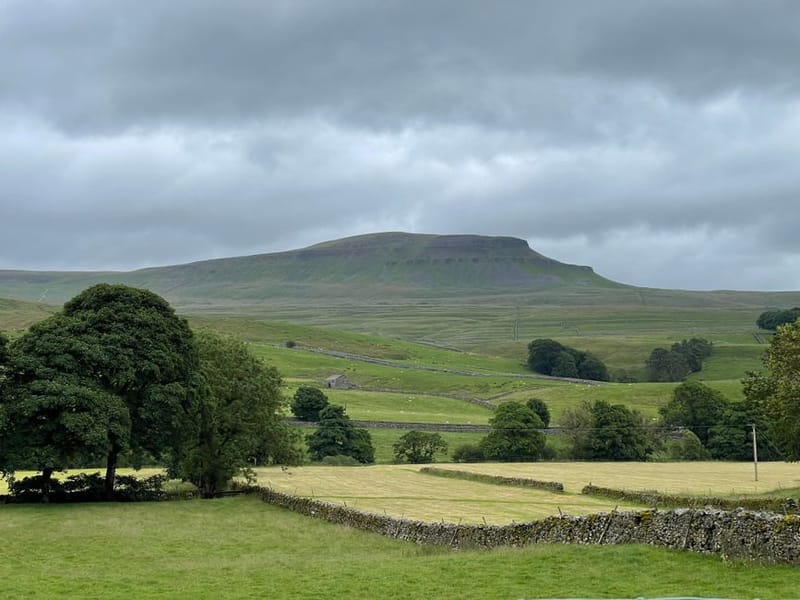
Yorkshire
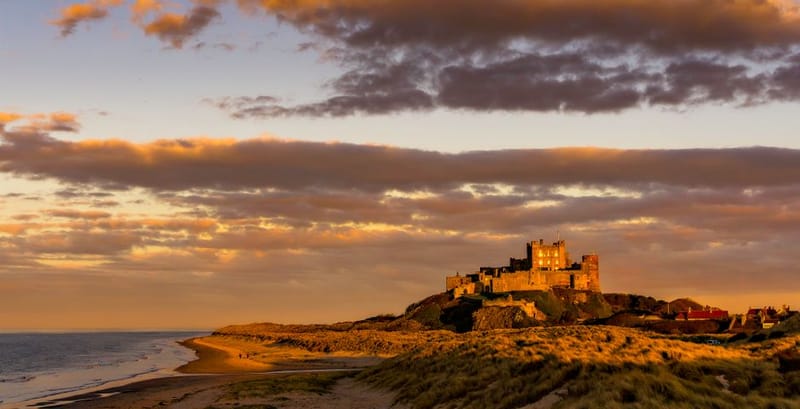
North East
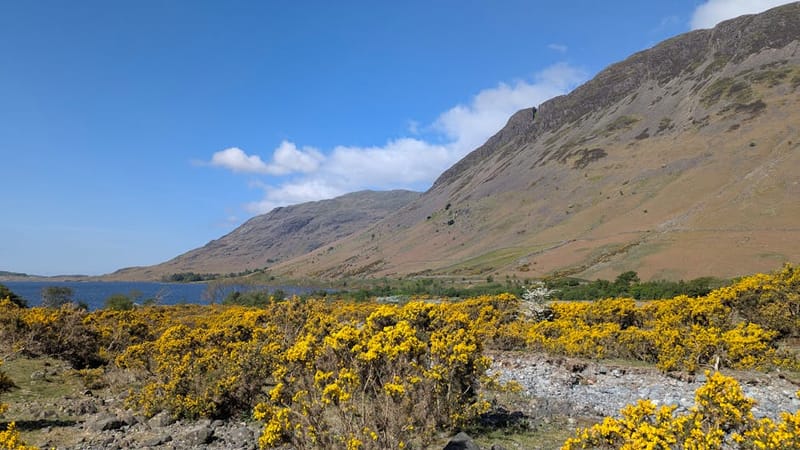
Cumbria and the Lake District
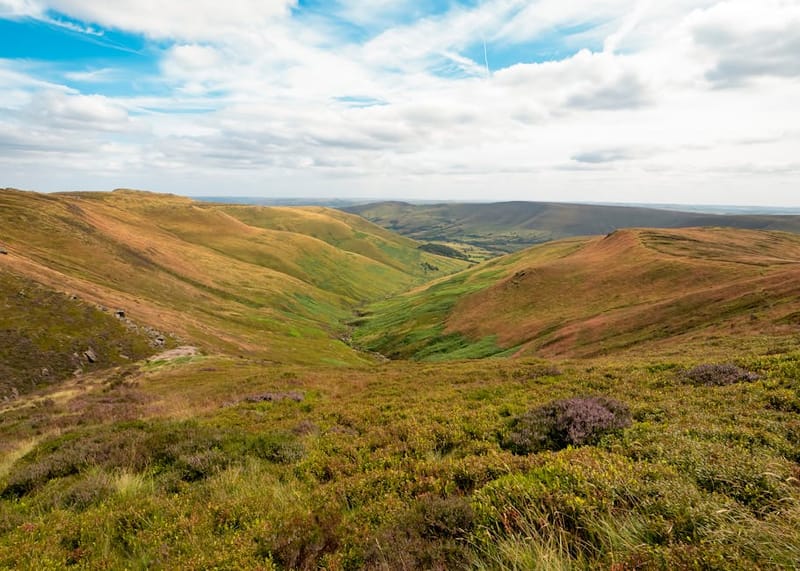
Midlands and Peak District
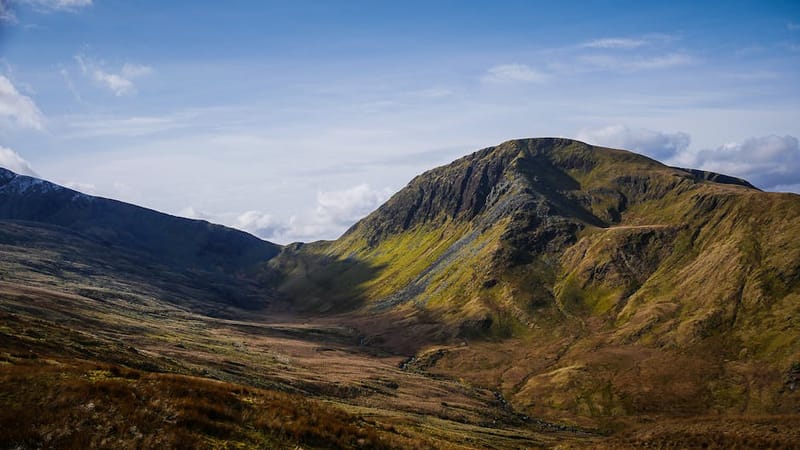
Wales
Scotland
London
Beach Saunas UK 2026
Best Wild Saunas in the UK by Region
Frequently asked questions
What temperature is the water at a UK wild sauna?
Do I need to be fit to do a wild-sauna session?
How often should I go for the health benefits?
Is a wild sauna safe in winter?
What is the difference between a sauna and a steam room?
Can I bring my children to a wild sauna?
Will I see professional venue reviews on this site?
Thinking about a home sauna instead?
Our home-sauna buying guide walks through electric vs wood-fired, indoor vs outdoor, sizing for UK gardens, planning permission, and what £2k vs £8k actually gets you.