Sauna vs Hammam (Turkish Bath): What's the Difference?
Sauna vs hammam compared: dry Finnish heat versus the steam, marble and scrub of a Turkish bath - the differences, the rituals, and which to try.
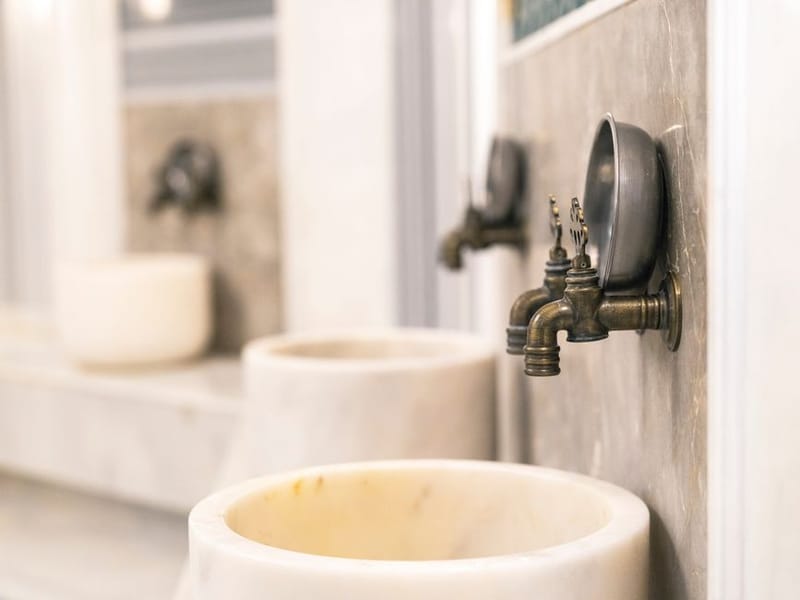
Both the sauna and the hammam are ancient bathing traditions built around heat - but the experiences could hardly be more different. One is a dry, fierce Finnish heat; the other a warm, steamy, marble-floored ritual from the Ottoman world. If you're deciding which to try, here's how a hammam compares to a sauna across the things that matter.
Sauna vs hammam at a glance
Key differences
- Heat type
- Sauna: dry radiant heat. Hammam: warm, very humid steam
- Temperature
- Sauna: ~70-100°C. Hammam: ~40-50°C
- Humidity
- Sauna: low (you add steam). Hammam: very high
- Materials
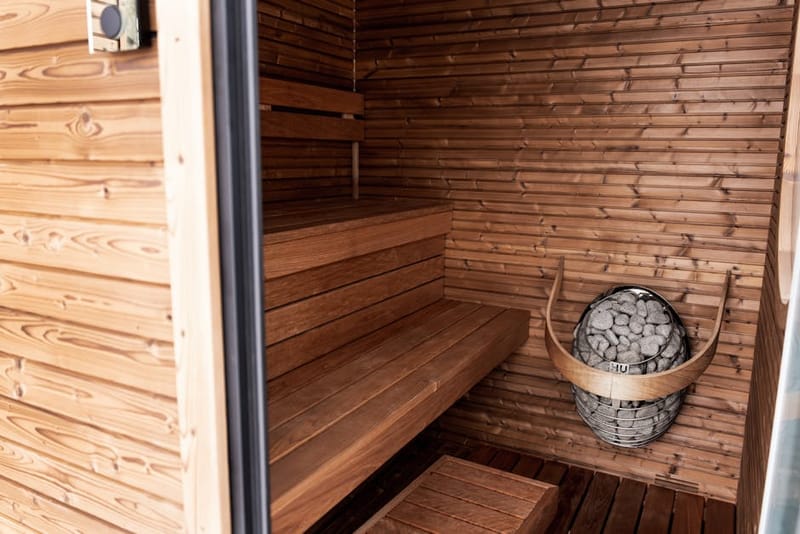
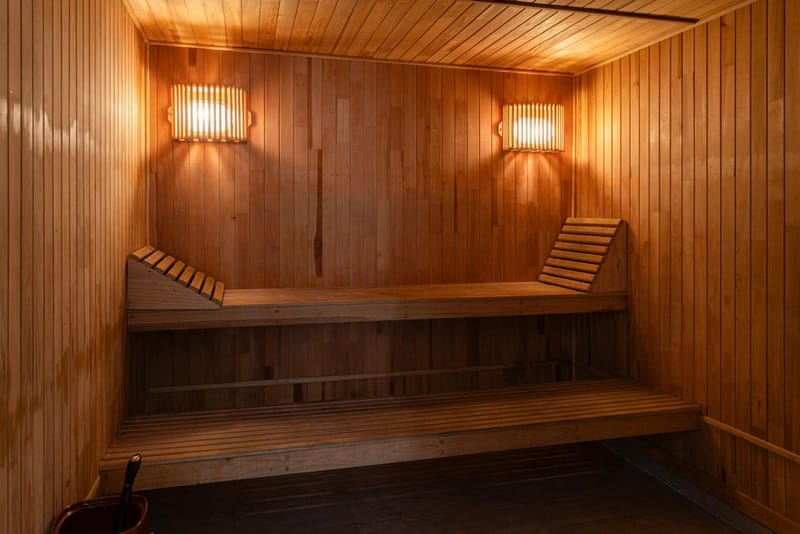
- Sauna: wood-lined. Hammam: marble and tile
- Ritual
- Sauna: sit, sweat, löyly, cool down. Hammam: steam, scrub (kese), soap massage, rinse
- Origin
- Sauna: Finland. Hammam: Ottoman / Middle Eastern
How does the heat differ?
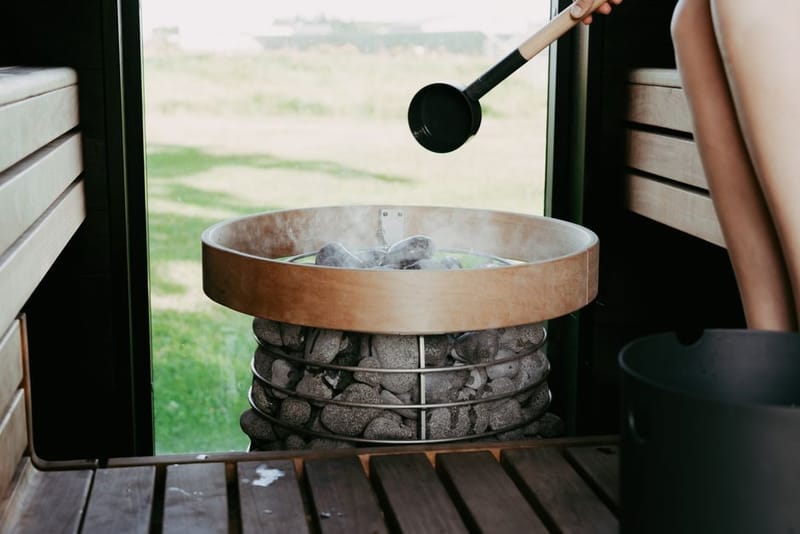
This is the core distinction. A sauna delivers dry, intense radiant heat - typically 70-100°C with low humidity, which you raise in bursts by throwing water on the hot stones for löyly. The high temperature is bearable precisely because the air is dry.
A hammam is much cooler but far more humid - a warm, steam-saturated environment usually around 40-50°C. Because the air is thick with moisture, it feels enveloping and gentle rather than fierce, and you can stay in it comfortably for much longer. If you find a hot dry sauna overwhelming, the softer steam heat of a hammam may suit you better - and vice versa.
What's the ritual like?
The sauna ritual is simple: sit on a wooden bench, sweat in the heat, add löyly to taste, then cool down (a shower, cold plunge or fresh air), and repeat. It's largely a solo, meditative experience - see our how to sauna guide.
The hammam is a more structured, hands-on ritual. You first relax in the steamy warmth to soften the skin, then an attendant (or you) uses a coarse kese mitt to exfoliate, sloughing away dead skin, followed by a foam soap massage and a warm rinse, often on a heated marble slab. It's as much a deep-cleansing and pampering ceremony as a heat session, traditionally a social occasion too.
Which should you try?
It depends on what you want from the experience:
- Choose a sauna if you want intense dry heat, the löyly ritual, an easy cool-down cycle, and a meditative, do-it-yourself session. It's also far easier to have at home - our home sauna buying guide covers the options.
- Choose a hammam if you want gentler, longer-lasting steam heat, a deep exfoliating cleanse, and a pampering, ceremonial experience. Hammams are spa visits rather than home installations.
They're not rivals so much as different moods - many people love both. If saunas are your thing, our sauna etiquette guide helps you get the most from a visit.