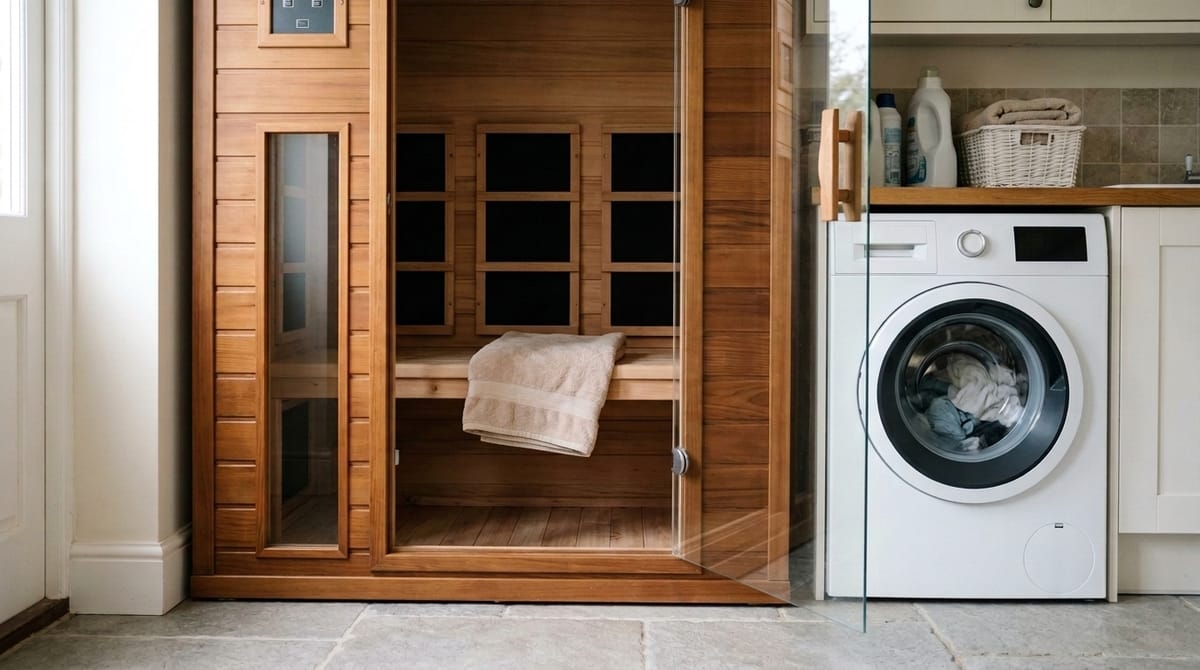
Best Indoor Home Sauna UK 2026
The best indoor home sauna in 2026, plus the room, ventilation and electrical planning an indoor install actually needs before you buy.
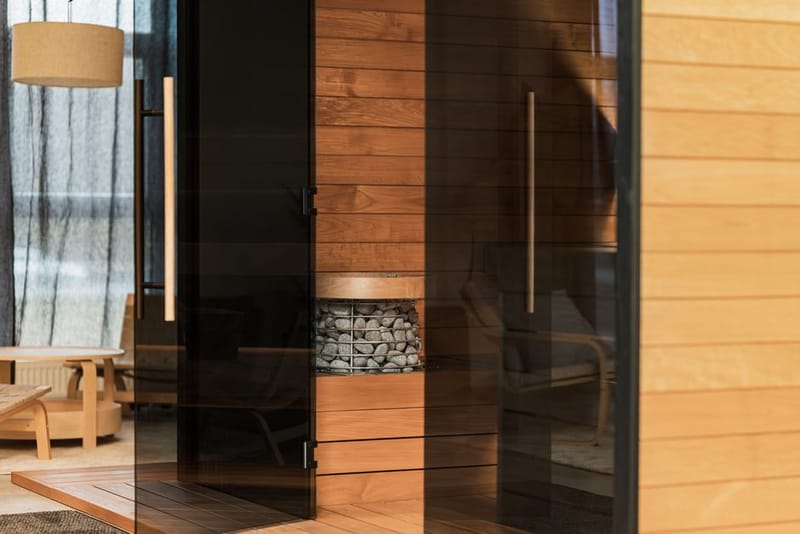
The best indoor home sauna is the one your room can actually support, because indoors the limits are ventilation, moisture and wiring rather than the weather. A traditional electric cabin gives the authentic hot, steam-capable experience and fits a spare room, basement, garage or large utility space. An infrared cabin is the simpler indoor option where ventilation or power is tight. Either way, the build of the room matters as much as the sauna you choose.
Which indoor home saunas do we pick?
| Tylo Combi Sport (2 to 4 person) | Harvia M3 Indoor Kit | Sun Home Equinox Infrared | MyoSauna Compact Infrared | |
|---|---|---|---|---|
| Type | Traditional electric (loyly capable) | Traditional electric (loyly capable) | Full-spectrum infrared | Far infrared + red light |
| Indoor fit | Spare room, basement, garage | Spare room, basement | Most rooms, easy install | Flats and small rooms |
| Best for | Authentic indoor experience | Best value traditional | Low ventilation, simple wiring | Lowest cost, smallest footprint |
Where does an indoor sauna actually fit?
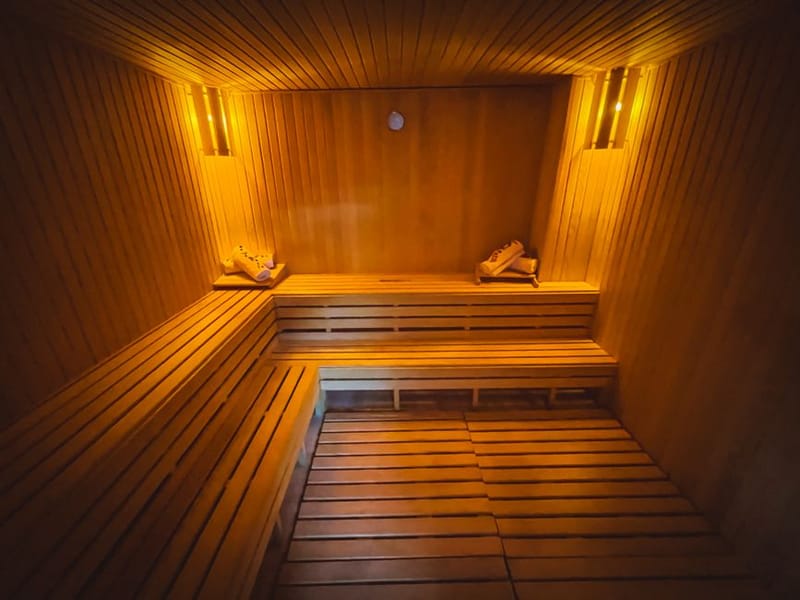
The usual homes for an indoor sauna are a spare bedroom, a basement, an integral garage, or a large utility or bathroom. You need enough floor area for the cabin plus clearance for the door and safe distances around a traditional heater, and enough ceiling height, around 2.0 metres, for the bench layout to work. A heat-resistant, water-tolerant floor surface under and around the cabin protects the room. Our 2-person guide covers the smallest footprints, while the 6-person guide shows what a larger indoor install demands.
How much ventilation does an indoor sauna need?
This is the step indoor buyers most often underestimate. A traditional sauna needs an air inlet near the heater and an outlet higher up to circulate fresh air and carry moisture away, and the surrounding room needs to cope with the warmth and humidity that escape when the door opens. Poor ventilation leaves a room damp and risks condensation problems over time. Infrared cabins run cooler and produce no steam, so they place far less moisture load on a room, which is why they are the easier indoor retrofit where you cannot add good airflow. Whatever you choose, plan ventilation before you buy, not after.
Is traditional or infrared better indoors?
Traditional electric gives the hot, steam-capable session most sauna lovers want, but it needs proper ventilation and a dedicated higher-power circuit. Infrared runs on much less power, needs little ventilation and warms you with radiant heat rather than hot air, making it the simplest cabin to slot into an ordinary room, at the cost of the loyly (the burst of steam from water on hot stones) and the intense heat. If your room is easy to ventilate and wire, go traditional; if it is a tight retrofit, infrared wins on practicality. Our infrared buying guide digs into the panel options.
Which indoor home sauna should you actually buy?
For most rooms: Tylo Combi Sport
The traditional all-rounder. Authentic heat and loyly, strong build, and sizes that suit a spare room or basement when you can ventilate and wire it properly.
Best value traditional: Harvia M3 Indoor Kit
Most of the traditional experience for less, with reliable Harvia heaters. The sensible mainstream indoor pick.
Easiest indoor install: Sun Home Equinox Infrared
Lower power and minimal ventilation make this the simplest cabin to retrofit into a normal room, if you are happy with infrared heat.
Smallest and cheapest: MyoSauna Compact Infrared
A compact infrared cabin for flats and small rooms where space and budget are tight.
Frequently asked questions
Can you put a sauna inside a house?
Does an indoor sauna need ventilation?
Do you need planning permission for an indoor home sauna?
Is an infrared sauna better than traditional for indoors?
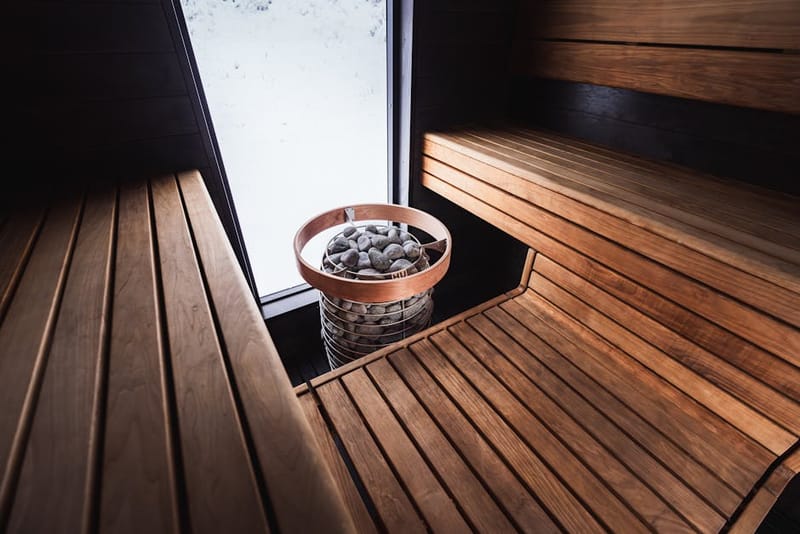
Home Sauna Buying Guide UK 2026
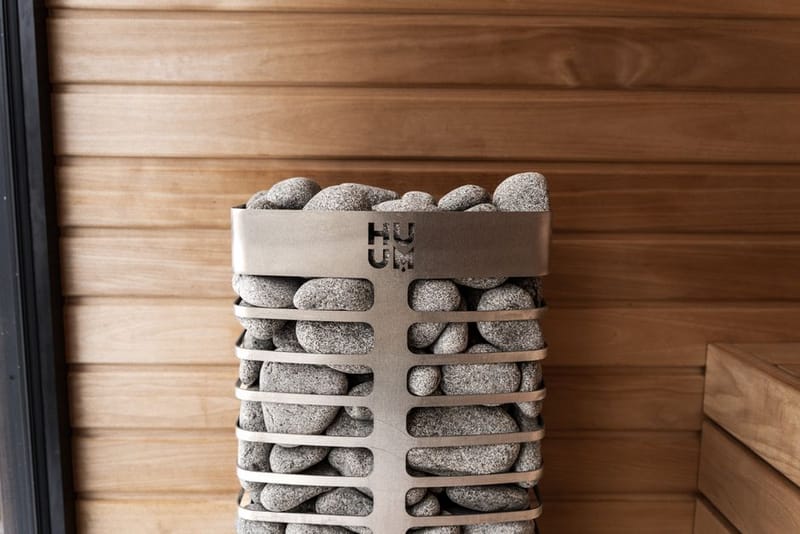
Best 2-Person Home Sauna UK 2026
Best 6-Person Home Sauna UK 2026