Comparison · 2 picks
Sauna vs Steam Room (2026): Honest Comparison
Affiliate disclosure: we may earn a commission when you buy through links on this page, at no extra cost to you. Our verdicts are our own and are not influenced by compensation.
Sauna and steam room are often grouped together as "heat therapy" in UK gym and spa marketing, but the two are physiologically distinct experiences that suit different goals. Sauna runs hot (80-100°C) and dry (10-20% humidity); steam room runs cooler (40-50°C) and saturated (95-100% humidity). The published research base, the cardiovascular load, the respiratory effect, and the home-install economics all differ - and the right choice depends on what you actually want from heat therapy.
At a glance
All 2 options side by side.
 |  Steam Room (Wet Heat) Steam Room (Wet Heat) | |
|---|---|---|
| Price | £0 | £0 |
| Best for | The right pick for cardiovascular benefit, the authentic Scandinavian ritual, and users prioritising the deeper research-supported wellness use case. | The right pick for respiratory benefit (sinus, mild asthma), for users who find sauna's dry heat uncomfortable, and for gym/spa users who want the wet-heat experience without home install. |
| Review | Read review → | Read review → |
The picks in detail
Traditional Sauna (Dry Heat)
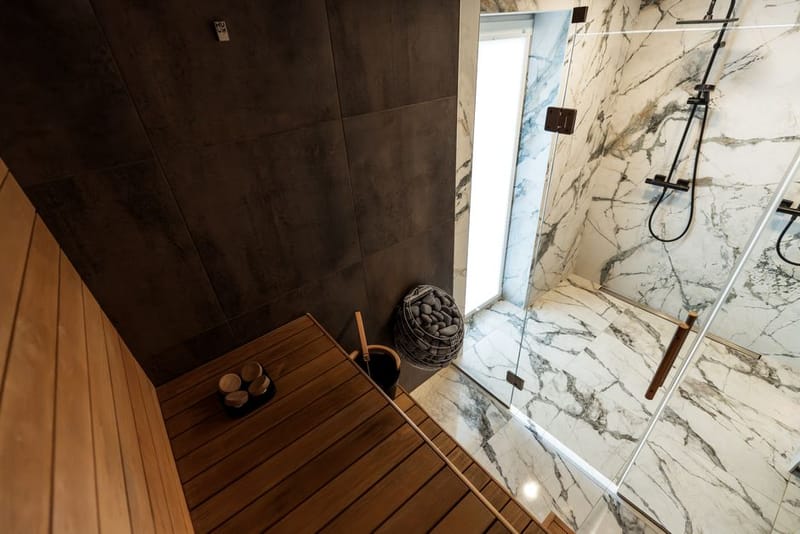
Bottom line. The right pick for cardiovascular benefit, the authentic Scandinavian ritual, and users prioritising the deeper research-supported wellness use case. Pair with Tylö, Harvia, Almost Heaven, or Dundalk cabin/barrel for home installation.
Pros
- Deeper published research base - the long Finnish cohort studies (e.g. KIHD 2018) link 2-3 sauna sessions per week to lower cardiovascular mortality
- Higher peak temperature (80-100°C) produces sharper physiological signal - heart rate hits 100-150 bpm, comparable to moderate exercise
- Wooden cabin smells and feels different - the Finnish löyly (water on stones) is core to the tradition
- Drier heat is generally easier to tolerate at higher temperatures than wet heat at the same skin sensation
- Lower running cost in home installations - electric or wood heater is cheaper to run than a steam generator
Cons
- Dry mucous membranes - some users find the dry heat uncomfortable for sinuses, asthma, or COPD
- Authentic Finnish sauna at 80-100°C is not for everyone - the temperature feels punishing on first exposure
- Hard-wired 32A install required for traditional electric saunas - typically £700-£1,500 in UK
- Wood-fired adds chimney install + Building Regs (Approved Document J) considerations
Steam Room (Wet Heat)
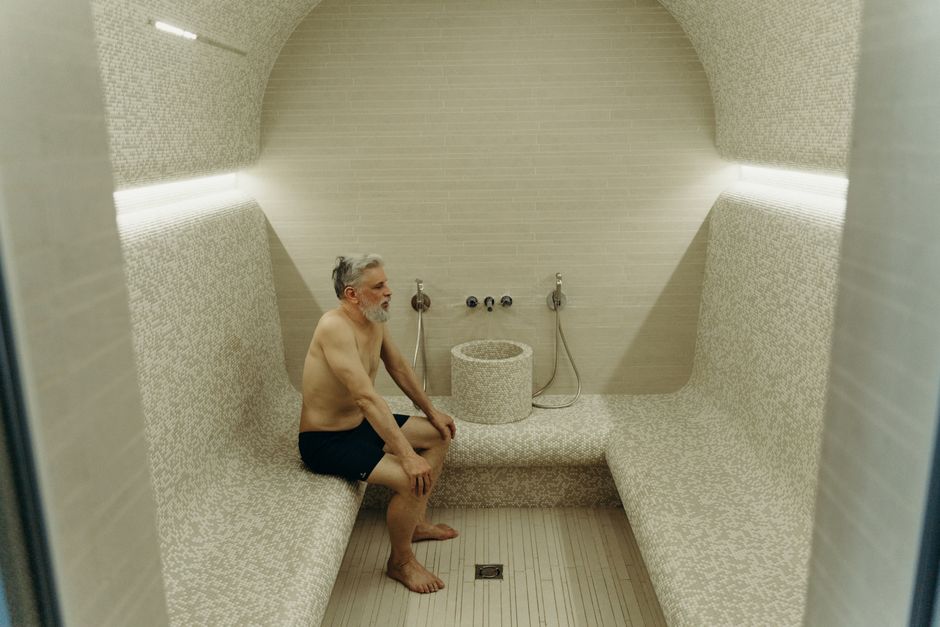
Bottom line. The right pick for respiratory benefit (sinus, mild asthma), for users who find sauna's dry heat uncomfortable, and for gym/spa users who want the wet-heat experience without home install. Less compelling for cardiovascular optimisation.
Pros
- 100% humidity opens airways - many users with sinus congestion, asthma, or mild COPD report easier breathing after steam sessions
- Lower temperature (40-50°C) feels more accessible to new users than sauna's 80-100°C
- Hydrating effect on skin - the wet heat is preferred by some users for skin-care routines
- Steam rooms are commonly available at UK gyms, spas, and leisure centres without needing home install
Cons
- Smaller published research base than dry-heat sauna - most rigorous cardiovascular benefit studies are sauna-specific
- Lower peak temperature limits the cardiovascular signal - cardiac load is genuinely less than sauna at the same session length
- Home steam install is expensive - dedicated steam generator (£2,000-£5,000) plus waterproof tile-and-grout enclosure
- Higher mould and bacterial risk - steam rooms need rigorous cleaning every session; less of an issue at home but real at busy gyms
What does the physiological signal look like in each?
The two environments produce genuinely different cardiovascular and respiratory responses, which is why "sauna or steam room?" is not just a preference question.
Sauna (80-100°C dry). Skin temperature rises to ~40-42°C, core temperature to 38-39°C, heart rate to 100-150 bpm depending on session length and bench position. The cardiovascular load matches moderate aerobic exercise - this is the basis of the well-documented Finnish cohort findings linking regular sauna to lower cardiovascular mortality. Sweat rate is high (~0.5-1.5 litres per session). Respiratory rate increases modestly; airway drying is the most common complaint for sinus-sensitive users.
Steam room (40-50°C wet). Skin temperature rises to ~37-38°C, core temperature to 37-38°C (much smaller change than sauna), heart rate to 90-110 bpm. The cardiovascular load is genuinely milder - closer to light exercise than moderate. Sweat rate is similar in volume but feels different (the sweat doesn't evaporate so the cooling effect is less). Respiratory effect is the key difference: 100% humidity hydrates airway mucous membranes and many users report easier breathing during and after the session, which is why steam is the preferred pick for users with sinus congestion or mild asthma.
The two effects are complementary rather than substitutable. The cardiovascular research case for sauna is much stronger than for steam; the respiratory case for steam is stronger than for sauna.
What does the published research actually show?
The published research runs meaningfully deeper for traditional dry-heat sauna than for steam room.
Sauna research. The KIHD cohort study (JAMA Internal Medicine, 2018) followed 2,315 Finnish men over 20+ years and found 2-3 sauna sessions per week associated with ~27% lower cardiovascular mortality versus 1-or-fewer sessions; 4-7 sessions per week associated with ~63% lower CV mortality. The relationship persisted after adjusting for traditional risk factors. Similar findings exist for all-cause mortality, dementia incidence, and hypertension across the same cohort. Mechanistic studies show NIH-supported heat shock protein induction, improved endothelial function, and reduced systemic inflammation as plausible biological pathways.
Steam room research. The published base is smaller and less methodologically rigorous. Most steam-specific research focuses on respiratory effects - reduced upper-airway congestion in CDC-published upper-respiratory-infection studies, mild reductions in asthma symptom severity at moderate sessions, and improvements in subjective skin hydration. The cardiovascular benefit case is largely extrapolated from sauna research rather than directly demonstrated in steam-specific cohort studies.
This research asymmetry matters for buying decisions. If cardiovascular optimisation is the goal, sauna is the choice with the deeper body of research; if respiratory relief is the goal, steam has a more direct body of research.
Which option makes more sense for a UK home install?
Home install economics favour sauna decisively over steam room.
Home sauna. Indoor cabin from Tylö or Harvia: £2,500-£5,000 kit + £700-£1,500 electrician install. Outdoor barrel from Almost Heaven or Dundalk: £4,500-£10,000 kit + £200-£1,500 install depending on heater type. Running cost: ~£8-£15/month at 2x weekly use for electric, ~£20-£40/month for wood-fired. The home sauna market is well-developed in the UK with multiple credible suppliers.
Home steam room. Dedicated steam generator: £2,000-£5,000 (Mr Steam, Steamist, Helo). Plus a fully tiled and waterproofed enclosure - typically £4,000-£8,000 for a 1-2 person size when built into an existing bathroom, or £8,000-£15,000 as a standalone room. Plus ventilation, drainage, and humidity-resistant electrical fixtures. Running cost is higher than sauna - steam generators draw 6-8 kW and steam sessions are typically longer (20-40 min). Total UK home steam install: £8,000-£20,000 versus £3,500-£10,000 for an equivalent home sauna.
For most UK home buyers, sauna is 50-60% cheaper per equivalent install and far easier to find credible suppliers for. Steam at home tends to be a luxury bathroom upgrade rather than a standalone wellness purchase.
Frequently asked questions
Can I get the same benefit from a steam shower as a steam room?
Which is better if I have asthma or mild COPD?
Can I lose weight from sauna or steam room sessions?
Should I sauna or steam first if I'm using both?
Are the contraindications different for sauna vs steam room?
Sauna or Cold Plunge First?
Infrared vs Traditional Sauna

Sauna Health Benefits: What the Evidence Actually Says
Sauna Safety: Who Shouldn't Use a Sauna
Want to install one at home?
The home sauna buying guide covers indoor and outdoor options across all price tiers.